At Appcrunk Technologies, we specialize in building powerful, scalable, and integrated ERP systems for startups and enterprises. From business analysis and system architecture to ERP customization and deployment, we deliver centralized solutions that streamline operations, improve data visibility, and drive smarter decision-making across finance, HR, supply chain, sales, and operations.
From concept to launch & beyond.
Weekly updates & clear Communication
Apps build to grow with your
Our ERP system services deliver centralized control, real-time insights, and streamlined operations—helping businesses manage processes efficiently.

Insight-driven, business-first planning
We analyze your business workflows, departments, and operational challenges to define the right ERP strategy. Our approach ensures the ERP system aligns with your goals, improves efficiency, and supports long-term growth.

Scalable, secure, enterprise-grade systems
We design and develop custom ERP solutions that integrate finance, HR, inventory, sales, and operations into a single powerful platform—ensuring accuracy, automation, and performance.

Tailored ERP solutions that fit your workflows
We customize ERP modules and integrate third-party tools, APIs, and legacy systems to ensure seamless data flow and operational continuity across departments.

Clean, intuitive, and role-based dashboards
We build user-friendly ERP interfaces that simplify complex data, improve usability, and enhance productivity for admins, managers, and teams.

Real-time insights for smarter decisions
We implement advanced reporting, analytics, and dashboards that transform business data into actionable insights—helping leaders make informed decisions faster.

Reliable systems that evolve with your business
We provide ongoing ERP support, performance optimization, security updates, and enhancements to ensure your system remains stable, secure, and future-ready.
Not sure which platform fits your idea?
Talk to our mobile experts and get the right solution for your business.
We deliver scalable and integrated ERP systems that streamline business processes, improve data visibility, and enable continuous operational efficiency across modern digital ecosystems.
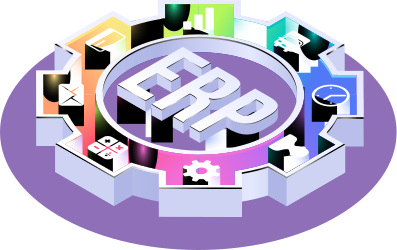
With years of hands-on experience, we follow a business-first, transparent ERP development process rooted in analysis, modular design, and continuous optimization to ensure long-term success.

We begin by understanding your business goals, departments, workflows, and operational challenges. Through stakeholder discussions and process mapping, we identify gaps, automation opportunities, and key success.

We define the ERP roadmap, core modules, user roles, and system architecture. This step ensures a scalable, secure, and well-structured ERP foundation that aligns with your business processes and future growth plans.

Our team develops and configures ERP modules such as finance, HR, inventory, sales, and operations. We integrate third-party tools, APIs, and legacy systems to ensure seamless data flow across the organization.

We design intuitive ERP interfaces and dashboards tailored to different user roles. The focus is on clarity, usability, and productivity—making complex business data easy to understand and act upon.

We perform rigorous testing for functionality, performance, data accuracy, and security. This includes role-based access control, compliance checks, and real-world scenario validation to ensure system reliability.

The ERP system is deployed with smooth data migration and minimal disruption. Post-launch, we provide user training, performance monitoring, and ongoing support so your ERP evolves with your business.

Leverage next-gen technologies like AR/VR, and Blockchain with Appcrunk to future-proof your digital presence.



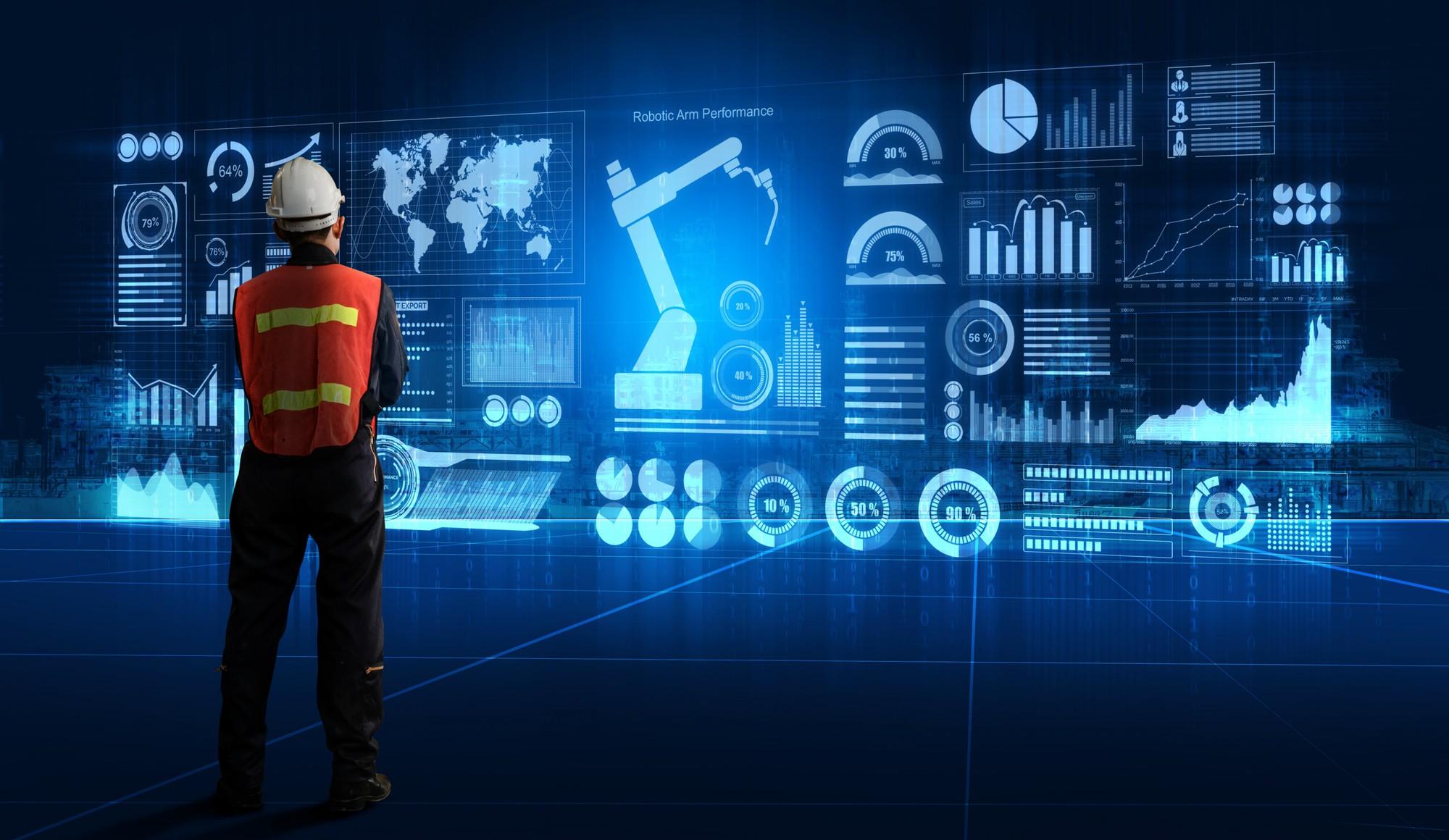
We use advanced technologies to build scalable, secure, and intelligent digital products
 AI & Generative AI
We design and build intelligent applications powered by Artificial Intelligence and Generative AI that automate processes, generate content, and enhance decision-making.
 Machine Learning (ML)
Our Machine Learning solutions enable applications to learn from data, identify patterns, and continuously improve performance over time. We develop data-driven systems that support smarter predictions.
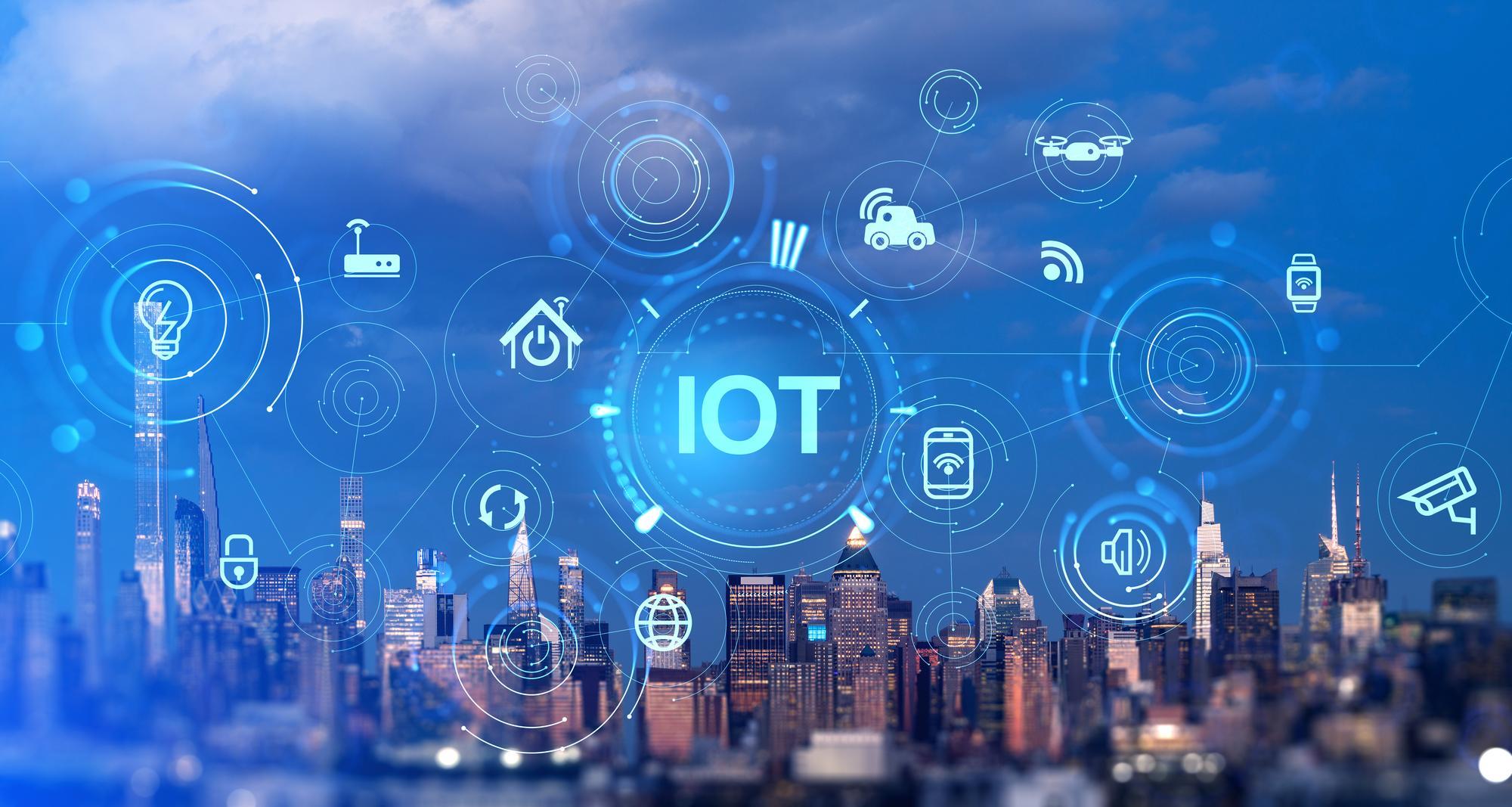
 Internet of Things (IoT)
We create IoT-powered solutions that connect devices, sensors, and systems to enable real-time data collection and intelligent automation. Our IoT applications help businesses monitor operations, improve efficiency.
 Spatial Computing (AR/VR)
We build immersive Augmented Reality and Virtual Reality experiences that transform how users interact with digital content. From training simulations to interactive product experiences.
 Emergency Response Systems
We design real-time emergency response systems that enable faster communication, coordination, and decision-making during critical situations. Our solutions support quick alerts, live tracking
 LMS & ERP Solution
We build robust Learning Management Systems (LMS) and Enterprise Resource Planning (ERP) platforms that streamline business operations and education workflows. Our solutions improve productivity, centralize data.
 EHS Systems
We develop Environment, Health, and Safety (EHS) systems that help organizations manage compliance, safety protocols, and sustainability initiatives. Our digital EHS solutions enable better risk management, reporting
From startups to enterprises, we make ERP systems that tailored to your industry, users, and growth goals.



We build powerful social media apps with secure payments, product management, and seamless user experience.
We build powerful social media apps with secure payments, product management, and seamless user experience.
Building modern, secure, and high-performing web applications requires the right technology foundation. Our web developers use industry-leading frameworks.


Visit Appcrunk’s AI-powered blog for trusted insights, tips, and solutions across design, web, mobile, and digital technologies. Visit Our Blog!
Social Media App Development with AI Features helps businesses build smarter, safer, and highly engaging platforms. Our AI-powered social media app solutions offer personalized content, advanced security, real-time moderation, and scalable performance to boost user engagement and long-term growth.

Smart Dating App Solutions Driven by AI deliver intelligent matchmaking, personalized user experiences, and secure communication. Our AI-powered dating app development services help businesses build scalable, feature-rich apps that connect users with meaningful matches, improve engagement, and drive long-term growth.
Recovering from a RondoDox Botnet attack? Learn how we identified the breach, removed crypto-mining malware, and patched the React CVE-2025-55182/66478 exploits to secure our server and prevent future attacks. A complete step-by-step recovery and hardening guide.
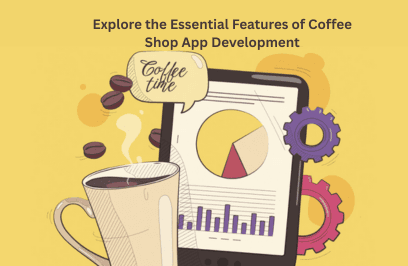
Looking to elevate your coffee shop game? Discover how the right mobile app can boost customer loyalty, streamline orders, and drive sales! Dive into the must-have features every coffee shop app needs to stay ahead in the booming coffee industry. Start building your app today and watch your business grow! Read more now!

Discover the essential features your food delivery app needs in 2025 to stay competitive. From user-friendly interfaces to advanced delivery tech, learn how to enhance the user experience and efficiency.

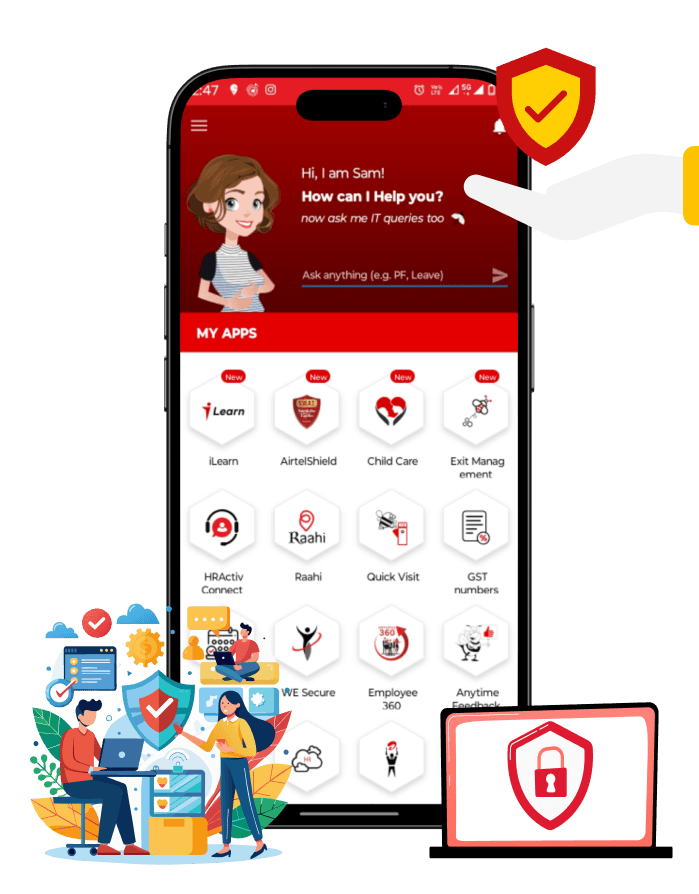
In today's digital era, mobile apps have become an integral part of our lives, offering convenience and functionality at our fingertips. However, as our reliance on mobile applications increases, it becomes crucial to prioritize the security of user data and information. Let's explore key aspects of mobile app security and how we can safeguard user privacy.
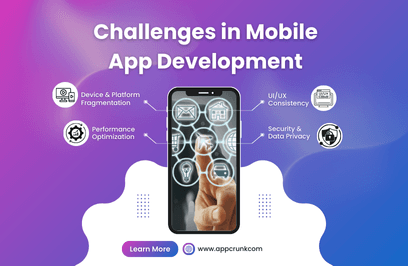
Today's digital era, mobile applications have become an integral part of our lives, serving various purposes from entertainment to productivity. However, behind the scenes, developers face numerous challenges in creating seamless and user-friendly mobile applications. This article explores some of the key challenges faced in mobile application development and discusses strategies to overcome them.

Founded in 2018, Appcrunk Technologies specializes in AI-powered mobile and web development. Our skilled team transforms ideas into smart digital products by combining innovation, creativity, and the latest technologies to deliver impactful results.
Copyright © Appcrunk 2026